

A child’s day is filled with movement.
Running across the playground, climbing stairs, sitting at a desk, carrying a school bag, using a pencil, joining a game, and getting dressed may seem like ordinary activities. Yet each one depends on a combination of strength, balance, coordination, mobility, and body control.
Physical development is not only about reaching milestones or becoming better at sports. It can influence how confidently and independently a child participates at home, at school, and with friends.
When movement is more challenging than expected, understanding the reason can help families identify the right support. At the American Center for Psychiatry and Neurology, pediatric physiotherapy in Abu Dhabi supports children with physical and movement-related needs through individualized care.
Movement Helps Children Explore Their World
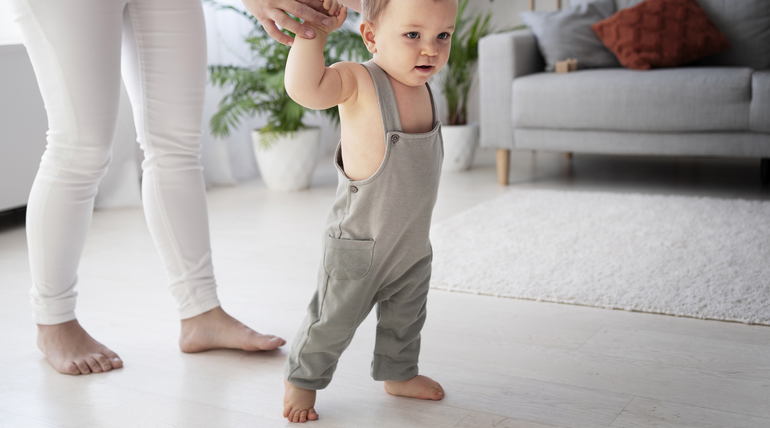
From infancy onward, movement gives children opportunities to discover what is around them.
Reaching for a toy, rolling, sitting, crawling, standing, and walking gradually allow a child to interact with more of their environment. As they grow, movement becomes increasingly connected to play, learning, independence, and social participation.
Physical development involves several abilities working together, including:
Strength.
Balance.
Coordination.
Postural control.
Mobility.
Endurance.
Motor planning.
Children develop these abilities at different rates. What matters is not comparing one child with another, but understanding whether movement difficulties are consistently affecting the child’s everyday activities.
The Playground Builds More Than Physical Skills
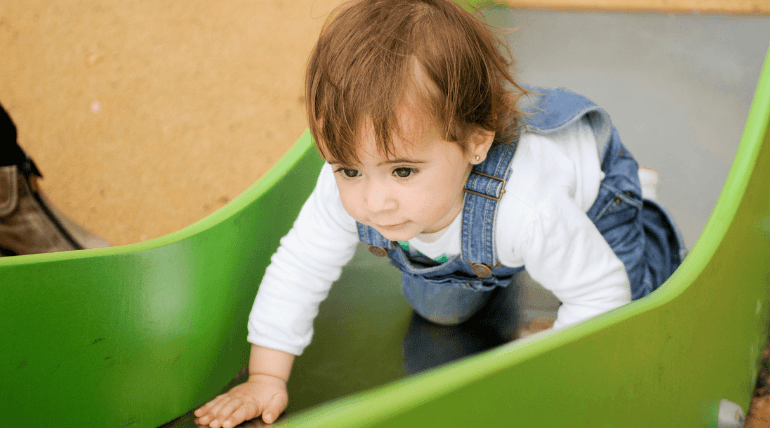
Playgrounds give children opportunities to practice many movements naturally.
Climbing can challenge strength and coordination. Running and changing direction involve balance and body control. Jumping requires timing and force. Ball games combine movement with attention and coordination.
But playground participation also has a social dimension.
A child who finds running, climbing, or keeping up with peers particularly difficult may begin avoiding certain games. Over time, physical challenges can sometimes influence confidence or willingness to participate.
Supporting movement therefore is not simply about helping a child become physically stronger. It can also help create more opportunities for participation and connection.
Physical Development Continues Into the Classroom
A child does not stop using physical skills when the school bell rings.
Sitting comfortably at a desk requires postural control. Moving between classrooms involves balance and mobility. Participating in physical education requires coordination and endurance. Even maintaining a stable position while completing classroom activities involves the body.
When these demands are particularly difficult, children may become tired more quickly, frequently change position, avoid certain activities, or need additional assistance.
These behaviors can have many possible explanations. Looking at the child’s physical abilities can be one useful part of understanding the wider picture.
When Might a Child Benefit From Physiotherapy?
There is a wide range of typical physical development, and children do not all acquire movement skills at exactly the same age.
However, professional assessment may be helpful when parents notice persistent concerns such as:
Difficulty with age-appropriate movement skills.
Frequent falls or unusual difficulty with balance.
Challenges with walking, running, jumping, or stairs.
Difficulty keeping up with peers during physical activities.
Noticeable weakness or reduced endurance.
Unusual movement patterns.
Difficulty returning to activity after an injury or illness.
A neurological or developmental condition affecting movement.
Physical challenges that interfere with independence or participation.
Seeking an assessment does not automatically mean something is seriously wrong. It can simply help families understand how the child is moving and whether additional support may be useful.
Pediatric Physiotherapy Is Built Around the Child
Children are not simply smaller versions of adults.
Their bodies are developing, their abilities are changing, and motivation often comes through activities that feel meaningful and engaging.
Pediatric physiotherapy therefore considers the child’s developmental stage, abilities, interests, environment, and goals.
Depending on individual needs, physiotherapy for children in Abu Dhabi may focus on areas such as balance, strength, mobility, coordination, endurance, or functional movement.
The aim is to help the child use these abilities in real life—not simply perform movements during a therapy session.
Independence Is Built Through Everyday Movement
Physical development supports many of the small steps toward independence.
Being able to stand up from the floor, move safely around the home, manage stairs, get into a chair, participate in dressing, or carry belongings can all affect how independently a child navigates the day.
For one child, progress may mean walking farther without becoming tired. For another, it may mean joining classmates during a playground game or moving around school with greater confidence.
These everyday achievements can be meaningful indicators of progress because they connect physical ability directly with participation.
Sometimes Movement Difficulties Need a Broader Look
Not every movement difficulty has the same cause.
Some children may experience challenges related primarily to strength, balance, coordination, or physical development. For others, movement differences may occur alongside neurological or broader developmental concerns.
When neurological signs are present, assessment by a pediatric neurologist in Abu Dhabi may help provide a clearer understanding of the child’s needs.
Other disciplines may also contribute when appropriate. For example, occupational therapy in Abu Dhabi can support children when everyday activities, sensory processing, or functional skills are also affected.
A multidisciplinary perspective can help ensure that the child is understood as a whole rather than focusing on one difficulty in isolation.
Families Are an Important Part of Progress
Children spend only a small part of their week in therapy. Most opportunities for movement happen during everyday life.
This does not mean turning the home into a therapy room.
Instead, families can encourage movement through age-appropriate play and routines. Depending on the child, this might include outdoor play, walking, simple ball games, climbing, dancing, or participating in household activities.
When a child is receiving physiotherapy, the therapist can guide families toward activities that are appropriate for the child’s abilities and goals.
The most useful opportunities are often those that fit naturally into family life and allow the child to experience movement positively.
Confidence Can Grow Alongside Physical Ability
Children often notice what their bodies can and cannot do.
Repeated difficulty with physical activities may sometimes lead to frustration or hesitation, particularly when a child compares themselves with peers.
Supportive environments can make a difference.
Recognizing effort, allowing children to practice without unnecessary pressure, and focusing on individual progress can help them build confidence alongside physical skills.
The goal is not for every child to become the fastest runner or strongest climber. It is to help them participate as fully and confidently as possible in the activities that matter to them.
From Movement to Participation
Physical development reaches far beyond the playground.
It can influence how a child moves through school, participates with friends, manages everyday routines, explores new environments, and develops independence.
When physical challenges begin to interfere with these experiences, understanding the child’s movement can be an important first step.
At the American Center for Psychiatry and Neurology, pediatric physiotherapy in Abu Dhabi provides individualized support for children with movement and physical development needs, with access to pediatric neurology and occupational therapy when a broader perspective is appropriate.
Because every jump, step, climb, and movement is about more than physical ability. Together, these skills help children participate in the everyday experiences through which they learn, connect, and grow.