

A child’s first steps are often celebrated as an important milestone, but movement means much more than reaching developmental markers on time. Every time a child learns to sit, stand, climb, run, balance, or navigate their surroundings, they are also building independence and discovering what their body can do.
Movement allows children to explore, participate in play, interact with others, and take on everyday tasks with increasing confidence. When physical challenges make these experiences more difficult, the effects can sometimes reach beyond motor development and influence how a child participates at home, at school, and with friends.
At the American Center for Psychiatry and Neurology, pediatric physiotherapy in Abu Dhabi supports children with physical and movement-related challenges through individualized care designed around their abilities and developmental needs.
Movement Is How Children Explore Their World
From infancy onward, movement creates opportunities for learning.
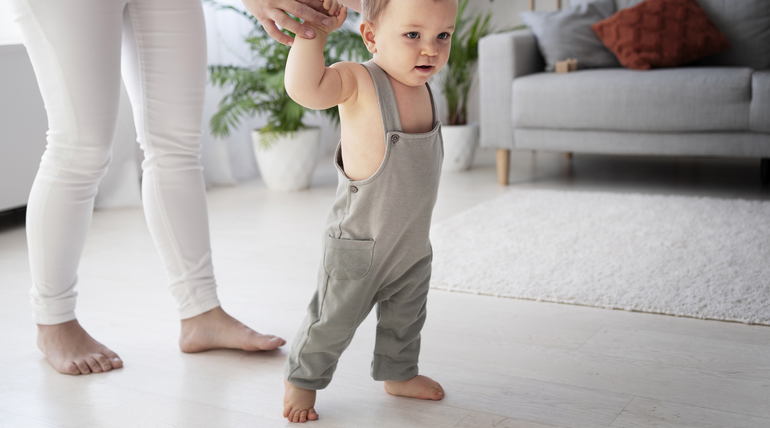
A baby reaches for a toy and discovers distance. A toddler learns to walk and suddenly has more freedom to explore. An older child develops the coordination needed to climb, ride a bicycle, participate in sports, or play confidently with friends.
Through movement, children gradually learn about:
- Their bodies and surroundings.
- Balance and coordination.
- Distance, direction, and space.
- Problem-solving through physical exploration.
- Participating in play and social activities.
- Managing everyday physical tasks independently.
Motor development is therefore closely connected with how children experience and participate in the world around them.
Independence Is Built Through Everyday Movement
For children, independence develops through seemingly small activities.
Getting out of bed, walking to the bathroom, sitting at a table, climbing stairs, carrying a school bag, or joining playground activities all require different combinations of strength, balance, coordination, and mobility.
When a child has difficulty with these skills, they may rely more heavily on parents, teachers, or caregivers for activities their peers are beginning to manage independently.
Pediatric physiotherapy can help identify which physical abilities are making everyday activities difficult and develop appropriate strategies to strengthen them.
The goal is not simply to achieve a particular milestone. It is to help movement become more useful in the child's daily life.
When Movement Feels Harder Than It Should
Every child develops at their own pace, and differences in the timing of milestones are not always a cause for concern.
However, certain patterns may suggest that a professional assessment could be helpful.
Parents may notice that their child:
- Is significantly delayed in sitting, crawling, standing, or walking.
- Falls much more frequently than expected.
- Has difficulty keeping up with other children during physical play.
- Appears unusually stiff or has low muscle tone.
- Avoids climbing, running, or playground activities.
- Has difficulty with balance or coordination.
- Uses one side of the body noticeably more than the other.
- Tires quickly during everyday physical activities.
An assessment with a pediatric physiotherapist can help determine whether additional support may benefit the child's development.
Confidence Often Grows Through Participation
Children naturally notice what they can and cannot do compared with those around them.
A child who repeatedly struggles to keep up during games, avoids playground equipment, or needs frequent assistance may gradually become less willing to participate.
This does not mean that every child with a movement difficulty will experience low confidence. However, giving children opportunities to build skills at an achievable pace can help them feel more capable and comfortable participating in everyday activities.
Physiotherapy may use play-based exercises and age-appropriate challenges to help children practice movement in ways that feel engaging rather than purely clinical.
As abilities improve, confidence often has more opportunities to grow alongside them.
Physiotherapy Builds Skills for Everyday Life
Pediatric physiotherapy is tailored to the child's individual needs rather than following the same program for everyone.
Depending on the assessment, therapy may work on:
- Muscle strength and endurance.
- Balance and coordination.
- Posture and body control.
- Flexibility and joint mobility.
- Walking and other movement patterns.
- Gross motor skills.
- Safe participation in physical activities.
For children receiving physiotherapy in Abu Dhabi, these skills can be practiced through activities that connect therapy with real-life goals, whether that means climbing stairs, participating in school activities, playing outdoors, or moving around more independently.
Sometimes Movement Challenges Need a Wider Look
Movement difficulties can have many possible causes. Some may relate primarily to muscles, joints, strength, or coordination, while others may be associated with neurological or developmental conditions.
When appropriate, assessment by a pediatric neurologist in Abu Dhabi can help investigate neurological factors that may be influencing a child's movement.
A child may also benefit from occupational therapy in Abu Dhabi when physical challenges affect everyday activities such as dressing, feeding, handwriting, play, or participation at school.
By looking beyond one symptom, different professionals can work together to understand how movement challenges are affecting the child as a whole.
Parents Are Partners in Building Independence
Children practice movement throughout the day, which makes family involvement an important part of physiotherapy.
Parents may be given practical strategies for encouraging movement during ordinary routines without making every activity feel like an exercise session.
This could include:
- Creating safe opportunities for active play.
- Encouraging the child to try manageable tasks independently.
- Practicing specific movements during everyday routines.
- Allowing enough time for the child to complete a task.
- Celebrating effort and progress rather than comparing milestones.
- Following home activities recommended by the therapist.
The aim is to create opportunities for the child to use developing skills naturally and confidently.
Progress Is More Than Reaching the Next Milestone
Developmental milestones can be useful guides, but they do not tell the entire story of a child's progress.
For one child, progress may mean taking independent steps. For another, it may mean climbing onto a chair safely, keeping up during a playground game, walking farther without becoming tired, or completing an everyday task with less assistance.
These achievements matter because they change what the child can experience and do independently.
Helping Children Move Forward With Confidence
Movement is not simply about physical development. It gives children opportunities to explore, participate, make choices, and become increasingly independent in their everyday lives.
At the American Center for Psychiatry and Neurology, pediatric physiotherapy services in Abu Dhabi support children with movement-related challenges through personalized assessment and rehabilitation. When needed, care can also involve pediatric neurology and occupational therapy to provide a broader understanding of the child's developmental needs.
Because sometimes the most meaningful measure of progress is not how quickly a child reaches the next milestone, but how confidently they can use their growing abilities to participate in the world around them.