
Getting dressed, preparing breakfast, walking from one room to another, or reaching for something on a shelf may seem like simple parts of everyday life.
We often perform these activities without thinking about the strength, coordination, balance, and concentration they require.
But after an injury, illness, surgery, or neurological condition, tasks that once felt effortless can suddenly become challenging.
Buttoning a shirt may take longer than usual. Walking to the kitchen may require additional support. Even holding a cup, taking a shower, or completing household responsibilities can demand considerable physical and mental effort.
These changes can affect more than independence. They may influence confidence, emotional wellbeing, relationships, and a person's sense of control over daily life.
Rehabilitation helps individuals work toward regaining everyday abilities, adapting to new challenges, and participating more confidently in the activities that matter to them.
At the American Center for Psychiatry and Neurology, rehabilitation-related services include occupational therapy in Abu Dhabi and Al Ain, alongside physiotherapy in Abu Dhabi, supporting individuals with different functional needs through personalized assessment and care.
When Everyday Independence Begins to Change
Independence is often measured through the activities we perform without assistance.
From personal hygiene and getting dressed to preparing meals, managing household responsibilities, and moving safely around the home, these routines form an important part of daily life.
When physical or neurological abilities change, even familiar tasks may become difficult.
A person recovering from a stroke may struggle to use one hand. Someone experiencing joint stiffness may find dressing uncomfortable. Another individual may have difficulty maintaining balance while standing or walking.
These challenges may develop suddenly following an injury or medical event, or gradually as a result of a progressive condition.
Regardless of how they begin, difficulties with daily activities can affect a person's confidence and quality of life.
Rehabilitation focuses on understanding these functional limitations and identifying practical ways to improve participation in everyday routines.
Rehabilitation Is About More Than Physical Recovery
Rehabilitation is sometimes associated only with recovering strength after an injury.
However, its purpose extends beyond improving muscles or movement.
Rehabilitation aims to help individuals achieve the highest practical level of functioning and independence possible within their circumstances.
This may involve improving physical abilities, learning new strategies, adapting everyday activities, or using supportive equipment.
For example, rehabilitation may help someone:
Improve balance and mobility when walking.
Develop greater control over hand movements.
Perform dressing and personal care activities more independently.
Manage everyday tasks with less discomfort or effort.
Learn safer ways to move around the home.
Adapt routines following neurological or physical changes.
Build confidence in returning to meaningful activities.
Progress varies depending on the person's condition, overall health, and individual goals.
For some individuals, rehabilitation supports recovery of abilities that have been temporarily affected. For others, it focuses on maintaining function, preventing avoidable complications, and finding new ways to participate in daily life.
Why Do Simple Tasks Become Difficult?
Everyday activities rely on several body systems working together.
Preparing a meal, for example, requires standing balance, hand coordination, muscle strength, planning, attention, and the ability to move safely around the kitchen.
When one or more of these abilities is affected, the entire activity may become more challenging.
Common contributing factors include:
Neurological conditions: Stroke, Parkinson's disease, multiple sclerosis, and other neurological disorders may affect movement, coordination, sensation, or cognitive function.
Musculoskeletal injuries: Fractures, joint injuries, muscle weakness, and other physical conditions may limit movement or make daily tasks painful.
Recovery after surgery: Some individuals experience temporary limitations in mobility, strength, or endurance following surgical procedures.
Chronic health conditions: Long-term illnesses may affect energy, physical function, and the ability to complete everyday responsibilities.
Changes in balance and coordination: Difficulties with stability or movement control may increase the risk of falls and reduce confidence.
Cognitive or sensory difficulties: Challenges involving attention, planning, memory, or sensory processing can also influence daily functioning.
Because these difficulties may have several contributing causes, a comprehensive assessment is important for identifying the most appropriate rehabilitation approach.
The Role of Occupational Therapy in Restoring Everyday Abilities
Occupational therapy focuses on helping individuals participate in activities that are meaningful and necessary in their daily lives.
Despite its name, occupational therapy is not limited to employment.
The term occupation refers to everyday activities, including personal care, household responsibilities, work, leisure, and social participation.
For someone experiencing functional difficulties, an occupational therapist may assess how physical, cognitive, or sensory challenges affect their ability to perform these activities.
Treatment may involve practicing specific tasks, improving functional skills, adapting routines, or exploring assistive equipment.
For example, occupational therapy in Abu Dhabi may support an individual who has difficulty dressing after a neurological event by focusing on hand function, coordination, and practical dressing techniques.
Similarly, occupational therapy services in Al Ain may help individuals explore strategies for managing personal care, household tasks, or other meaningful activities more independently.
The goal is not simply to improve an isolated physical skill, but to help that improvement translate into greater participation in everyday life.
How Physiotherapy Supports Movement and Mobility
Movement is essential to many aspects of independence.
Walking safely, standing from a chair, climbing stairs, and maintaining balance all depend on physical abilities that can be affected by injury, illness, or reduced mobility.
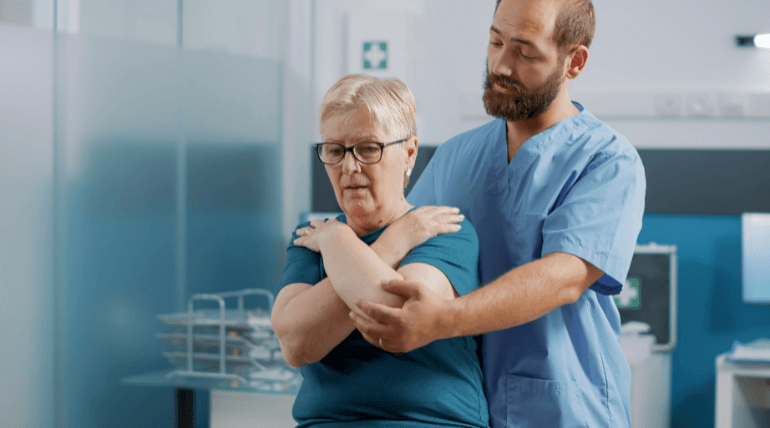
Physiotherapy focuses on assessing and addressing movement-related difficulties.
Depending on the person's condition, treatment may involve therapeutic exercises, mobility training, balance activities, and strategies to improve strength and physical function.
A physiotherapist may help someone work toward:
Walking with greater stability.
Improving joint mobility and flexibility.
Strengthening muscles needed for everyday movement.
Practicing safer transfers between sitting and standing.
Improving balance and coordination.
Managing movement-related discomfort.
Increasing tolerance for daily physical activities.
At the American Center for Psychiatry and Neurology, physiotherapy in Abu Dhabi supports individuals experiencing movement and functional limitations through individualized rehabilitation plans.
When appropriate, physiotherapy and occupational therapy may complement each other, addressing both physical movement and the practical activities that depend on it.
Rehabilitation After a Stroke or Neurological Condition
Neurological conditions can affect several abilities at the same time.
Following a stroke, for example, an individual may experience muscle weakness, reduced coordination, changes in sensation, communication difficulties, or challenges with attention and memory.
These changes can make everyday tasks more demanding.
A person may need assistance getting dressed, preparing food, walking safely, or managing activities that previously required little effort.
Rehabilitation may help individuals practice affected skills, develop compensatory strategies, and work toward realistic functional goals.
Occupational therapy may focus on using the hands during everyday activities, managing personal care, or adapting household routines.
Physiotherapy may address mobility, balance, and movement-related limitations.
When communication or swallowing difficulties are present, speech and language therapy may also form part of the care plan.
For individuals requiring neurological evaluation, a neurologist in Abu Dhabi or neurologist in Al Ain may help assess the underlying condition and guide relevant medical care.
At ACPN, neurology and occupational therapy are available in Abu Dhabi and Al Ain, while physiotherapy and speech and language therapy are also available in Abu Dhabi. Speech and language therapy is available in Al Ain as well.
The specific combination of services depends on the individual's needs and clinical assessment.
Small Movements Can Make a Big Difference
Recovery is not always measured through dramatic milestones.
Sometimes, meaningful progress begins with small changes.
Being able to hold a spoon more comfortably, button a shirt, stand for a little longer, or walk safely across a room may represent an important improvement in daily independence.
These achievements can also influence confidence and motivation.
Rehabilitation often involves breaking complex activities into manageable steps.
For example, someone who struggles to prepare a meal may begin by practicing standing balance, reaching for kitchen items, handling utensils, or organizing a simple sequence of tasks.
As abilities develop, these individual skills can be combined into more complete activities.
Progress may be gradual and can vary from one person to another.
The focus is on identifying meaningful goals and working toward them at a pace appropriate to the individual's condition and capabilities.
Why Balance and Coordination Matter for Independence
Balance and coordination are involved in many activities we rarely think about.
Standing while getting dressed, stepping into the shower, carrying objects, and moving through crowded spaces all require the body to maintain stability.
When balance is affected, individuals may begin avoiding certain activities because they fear falling or losing control.
This can reduce physical activity and limit participation in everyday life.
Depending on the underlying cause, rehabilitation may include exercises or functional activities designed to improve stability, coordination, and confidence with movement.
An occupational therapist may also recommend changes to the home environment or everyday routines to reduce unnecessary risks.
For individuals experiencing balance difficulties, medical assessment may be necessary to identify possible neurological, vestibular, medication-related, or other causes.
A personalized rehabilitation plan can then address relevant functional challenges while prioritizing safety.
Adapting Everyday Activities Is Also Progress
Not every rehabilitation goal involves restoring an activity exactly as it was performed before.
Sometimes, the most effective approach is to find a different, safer, or more manageable way to complete a task.
For example, an individual with reduced hand strength may benefit from adapted utensils or tools that are easier to grip.
Someone who finds standing for long periods difficult may learn to complete certain household activities while seated.
A person with mobility limitations may benefit from changes to the layout of frequently used spaces.
These adjustments do not represent a loss of independence.
Instead, they can help individuals remain active and involved in everyday life while working within their current abilities.
Occupational therapy often plays an important role in identifying practical adaptations that support safety, comfort, and participation.
The Emotional Impact of Losing Independence
When everyday tasks become difficult, the emotional effects can be significant.
A person who once managed responsibilities independently may feel frustrated about needing assistance.
They may worry about becoming dependent on others, feel discouraged by slow progress, or avoid activities because they fear making mistakes.
These feelings can affect motivation, relationships, and confidence.
Rehabilitation is therefore not only about physical abilities. It also involves understanding what independence means to each individual.
Setting realistic goals, recognizing progress, and involving individuals in decisions about their care can help support confidence and engagement.
When emotional distress becomes persistent or significantly affects daily functioning, psychological support may also be beneficial.
At the American Center for Psychiatry and Neurology, psychology services are available across Abu Dhabi, Dubai, Al Ain, and Sharjah, while rehabilitation-related services are provided according to the specialties available at each branch.
How Families Can Support Rehabilitation at Home
Family members and caregivers often play an important role in helping individuals maintain progress outside therapy sessions.
However, support does not always mean completing every task on someone's behalf.
When safe and appropriate, encouraging participation can help individuals practice skills and maintain a sense of control.
Helpful approaches may include:
Allow extra time. Some activities may take longer during recovery. Avoid unnecessary pressure to complete tasks quickly.
Encourage safe independence. Allow the person to participate in activities they can manage, following professional guidance.
Focus on achievable goals. Recognize meaningful progress, even when improvements appear small.
Maintain a supportive environment. Reduce unnecessary obstacles and follow recommendations for safety and accessibility.
Support consistency. Encourage recommended exercises and functional activities without pushing beyond advised limits.
Listen to the person's priorities. Rehabilitation goals are often more meaningful when they reflect what the individual wants to return to doing.
Family involvement can strengthen rehabilitation efforts, but strategies should always be adapted to the person's medical condition, safety needs, and professional recommendations.
When Should Someone Consider Rehabilitation?
Rehabilitation may be appropriate when changes in physical, neurological, or functional abilities begin affecting everyday activities.
Signs that an assessment may be helpful include:
Difficulty dressing, bathing, or completing personal care.
Reduced hand strength or coordination.
Trouble walking, standing, or maintaining balance.
Difficulty returning to daily routines after surgery or injury.
Reduced independence following a stroke or neurological condition.
Challenges managing household activities.
Increasing reliance on others for previously manageable tasks.
Avoidance of activities because of discomfort, weakness, or fear of falling.
Sudden weakness, new facial drooping, speech difficulties, or abrupt loss of coordination may indicate a medical emergency and require immediate medical attention.
For non-emergency functional difficulties, a healthcare professional can help determine whether occupational therapy, physiotherapy, neurological assessment, or another form of care is appropriate.
Individuals searching for a rehabilitation center in Abu Dhabi or occupational therapy in Abu Dhabi may benefit from understanding which specific rehabilitation services best match their needs.
In Al Ain, occupational therapy and neurological services can also support relevant functional concerns.
Why Personalized Rehabilitation Matters
No two people experience recovery in exactly the same way.
Even when individuals have the same diagnosis, their functional abilities, personal goals, medical circumstances, and daily responsibilities may be very different.
One person may want to return to preparing meals independently. Another may prioritize walking safely, managing personal care, or returning to professional responsibilities.
A personalized rehabilitation plan considers these differences.
Assessment may explore physical abilities, functional limitations, environmental challenges, and the activities most important to the individual.
Therapy goals can then be adjusted as needs and abilities change.
This individualized approach helps ensure that rehabilitation remains connected to real-life outcomes rather than focusing only on isolated exercises.
Rebuilding Independence, One Everyday Achievement at a Time
Independence is often found in the smallest moments.
Being able to get dressed without assistance, move safely around the home, prepare a simple meal, or participate in a familiar activity can make a meaningful difference to everyday life.
When injury, illness, or neurological changes make these tasks difficult, rehabilitation can provide structured support to help individuals regain skills, adapt to limitations, and work toward greater participation.
At the American Center for Psychiatry and Neurology, occupational therapy in Abu Dhabi and Al Ain, alongside physiotherapy in Abu Dhabi, supports individuals experiencing functional and movement-related challenges.
With access to neurology and other relevant specialties where appropriate, care can be tailored to the person's condition and individual rehabilitation goals.
Whether someone is exploring rehabilitation services in Abu Dhabi, seeking occupational therapy in Al Ain, or looking for support after a neurological condition, professional assessment can help identify practical steps toward improving everyday abilities.
Because rehabilitation is not only about recovering movement or strength. It is about helping people return to the moments, routines, and activities that give everyday life its meaning.