
Recovery after an injury, illness, surgery, or neurological condition is rarely defined by one major moment. More often, it happens through a series of smaller achievements: standing more steadily, getting dressed independently, communicating more clearly, preparing a meal, or returning to an activity that once felt effortless.
These everyday milestones are what turn rehabilitation goals into meaningful progress. The aim is not simply to improve a particular physical skill, but to help people regain as much independence, confidence, and participation in daily life as possible.
At the American Center for Psychiatry and Neurology, rehabilitation-related services in Abu Dhabi and Al Ain bring together different specialties according to each person's needs, helping individuals work toward practical goals that matter in their everyday lives.
Recovery Looks Different for Everyone
No two recovery journeys are exactly the same.
One person may be rebuilding strength after an injury, while another is adjusting to changes following a stroke or neurological condition. Some may want to walk independently again, while others are focused on returning to work, communicating more effectively, or managing everyday activities without assistance.
A personalized rehabilitation plan begins by asking an important question: What does independence mean to you?
From there, realistic goals can be developed around the activities that matter most to the individual.
Turning Big Goals Into Achievable Steps
A goal such as “I want to be independent again” can feel overwhelming, particularly in the early stages of recovery.
Rehabilitation helps break larger goals into smaller, measurable steps.
For example, returning to independent living may first involve working on:
- Sitting and standing safely.
- Improving balance and coordination.
- Getting dressed with less assistance.
- Using the hands more effectively.
- Communicating everyday needs.
- Moving safely around the home.
- Building endurance for daily activities.
Each improvement becomes part of a larger journey. Progress may sometimes feel gradual, but small gains can have a meaningful impact on everyday life.
Different Therapies Support Different Parts of Independence
Independence depends on many abilities working together, which is why recovery may involve more than one type of therapy.
In Abu Dhabi, a rehabilitation plan may include physiotherapy, occupational therapy, and speech and language therapy, depending on the person's condition and goals.
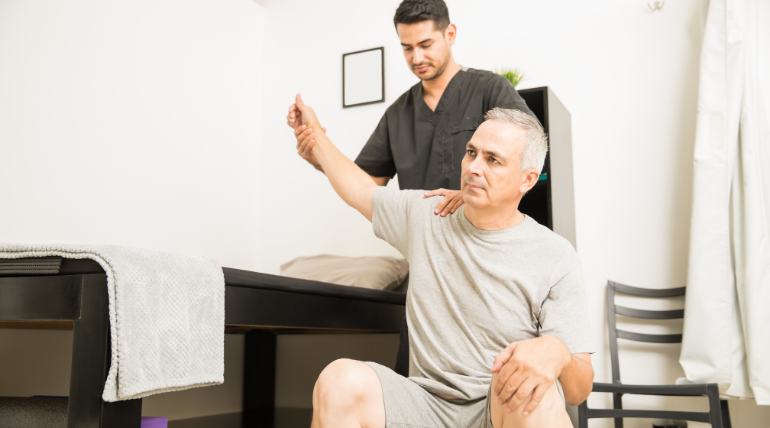
Physiotherapy may focus on strength, mobility, balance, and physical function. Occupational therapy can help people regain skills needed for daily activities, while speech and language therapy may support communication or swallowing when these abilities have been affected.
In Al Ain, occupational therapy and speech and language therapy can also contribute to recovery when these areas require additional support.
The combination of services depends on what each individual needs rather than following the same pathway for everyone.
Occupational Therapy Brings Recovery Into Daily Life
Rehabilitation becomes especially meaningful when improvements translate into activities a person needs or wants to perform every day.
Occupational therapy in Abu Dhabi and Al Ain can focus on practical skills such as:
- Dressing and personal care.
- Preparing food.
- Using everyday objects.
- Managing household activities.
- Returning to work-related tasks.
- Improving hand and upper-body function.
- Adapting routines to make activities safer or easier.
The goal is to help individuals participate more independently in the activities that give structure and meaning to their lives.
Neurological Recovery May Require a Team Approach
Conditions affecting the brain, spinal cord, or nerves can influence movement, communication, coordination, cognition, and daily function at the same time.
For someone recovering after a stroke or managing another neurological condition, a neurologist in Abu Dhabi or neurologist in Al Ain may provide medical assessment and ongoing management while rehabilitation professionals focus on functional recovery.
Depending on individual needs, care may involve physiotherapy, occupational therapy, or speech and language therapy.
This collaborative approach helps connect medical care with the practical challenges a person experiences outside the consultation room.
Communication Is Part of Independence Too
Independence is not only about physical movement.
Being able to express a need, understand instructions, make a decision, speak with family members, or participate in a conversation can be equally important.
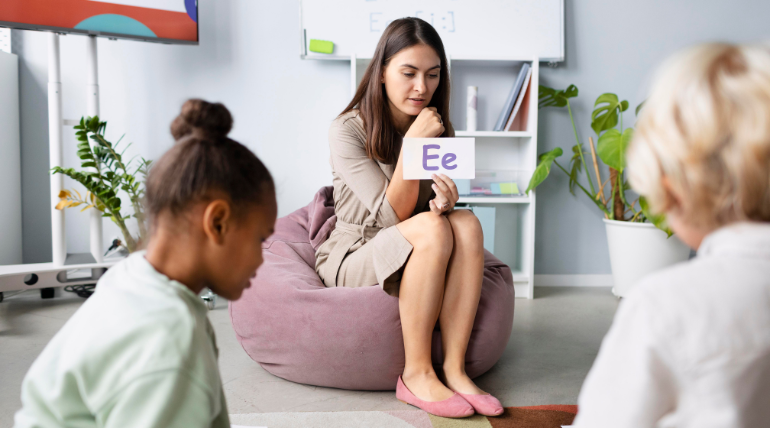
When communication has been affected by a stroke, brain injury, or neurological condition, speech therapy in Abu Dhabi or speech and language therapy in Al Ain may help individuals rebuild important skills.
Therapy can focus on speaking, understanding language, reading, writing, voice, or alternative communication strategies depending on the person's needs.
For some individuals, speech and language therapists may also assess and support swallowing difficulties as part of the broader rehabilitation process.
Progress Is Not Always a Straight Line
Recovery can have good days and difficult days.
Someone may make noticeable progress for several weeks and then experience a period where improvement feels slower. Fatigue, pain, emotional wellbeing, medical changes, and the complexity of the condition can all influence rehabilitation.
This does not necessarily mean that progress has stopped.
Regular assessment allows rehabilitation professionals to review goals, adjust treatment, and focus on the areas that remain most important to the individual.
Recognizing smaller achievements can also help make progress more visible, especially when the overall recovery journey is long.
Confidence Grows Alongside Ability
Losing independence can affect more than physical function. It may also influence confidence, motivation, relationships, and emotional wellbeing.
Returning to an everyday activity independently, even in a modified way, can represent an important psychological milestone.
Preparing a simple meal, walking safely across a room, communicating a choice, or completing a personal-care task may seem small from the outside. For someone rebuilding their independence, these achievements can represent significant steps forward.
Rehabilitation therefore supports not only what a person can do, but also their confidence in doing it.
Making Everyday Life the Measure of Progress
Recovery is not simply about what happens during a therapy session. The most meaningful changes are often the ones that make everyday life easier, safer, and more independent.
At the American Center for Psychiatry and Neurology, rehabilitation-related care in Abu Dhabi and Al Ain can bring together neurology, occupational therapy, speech and language therapy, and physiotherapy where available and appropriate, with goals shaped around each person's individual needs.
The road back to independence may take time, and it may not always follow a straight path. But every practical skill regained and every activity made possible again can be a meaningful step toward rebuilding everyday life.