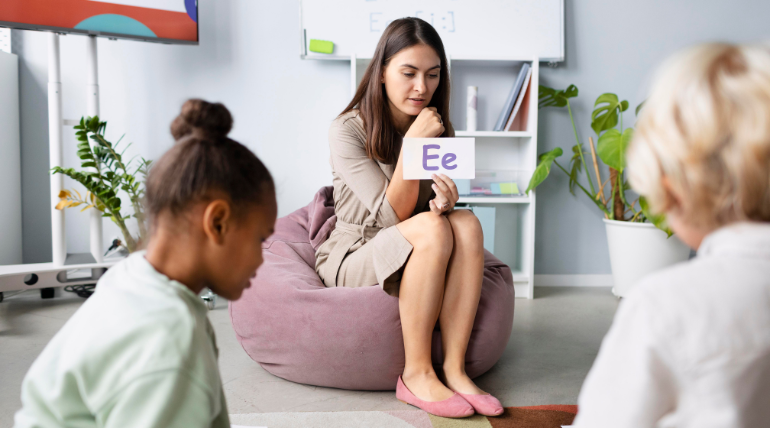

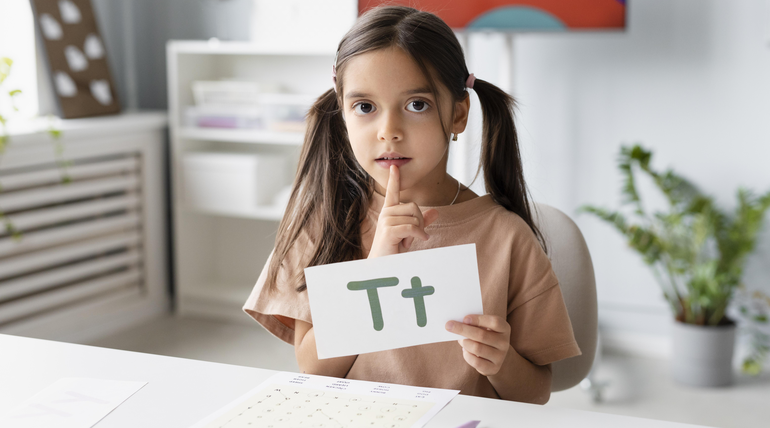
When people think about speech therapy, they often imagine helping someone pronounce sounds more clearly. While articulation is an important part of communication, speech and language therapy reaches far beyond pronunciation.
Communication involves understanding language, expressing thoughts, following conversations, using words effectively, interpreting social cues, and feeling confident enough to connect with others. For children and adults who find any of these skills challenging, speech therapy can provide practical support that makes everyday communication easier and more meaningful.
At the American Center for Psychiatry and Neurology, speech and language therapy services are available in Abu Dhabi and Al Ain, supporting both children and adults according to their individual communication needs.
Communication Is More Than Speaking Clearly
Clear pronunciation is only one piece of communication.
To participate successfully in a conversation, a person also needs to understand what others are saying, organize their own thoughts, choose appropriate words, take turns, and adapt their communication to different situations.
Speech and language therapy may therefore address several areas, including:
- Speech sound production.
- Understanding spoken language.
- Expressing thoughts and ideas.
- Vocabulary and sentence development.
- Social communication.
- Fluency.
- Voice.
- Reading and language-related skills.
- Swallowing difficulties when clinically relevant.
The exact focus depends on the person's age, abilities, and the challenges affecting their everyday life.
Understanding Language Is Just as Important as Using It
Some communication difficulties are easy to notice because they affect the way someone speaks. Others can be much less obvious.
A child, for example, may speak in complete sentences but struggle to understand complex instructions, questions, or concepts. Another child may understand what is being said but find it difficult to organize thoughts into words.
Adults can experience similar difficulties following neurological conditions, brain injuries, or strokes.
A comprehensive speech and language assessment looks at both receptive language, or how a person understands communication, and expressive language, or how effectively they communicate their own ideas.
Understanding this difference helps therapists identify where support is needed rather than focusing only on how clearly words are pronounced.
Social Communication Shapes Everyday Relationships
Knowing what to say is important, but knowing how, when, and why to say it is also part of effective communication.
Social communication includes skills such as:
- Taking turns during conversations.
- Recognizing when someone else wants to speak.
- Staying on topic.
- Understanding facial expressions and tone of voice.
- Adjusting language for different people or situations.
- Understanding humor, implied meanings, and nonliteral language.
Difficulties in these areas can affect friendships, family interactions, school participation, and confidence in social situations.
For children in particular, speech therapy can help develop communication skills that support not only language development but also learning, play, and relationships with others.
Speech Therapy Can Support Learning
Language plays an important role in almost every part of education.
Children use language to follow classroom instructions, understand new concepts, answer questions, tell stories, read, write, solve problems, and interact with classmates.
When language development is delayed or certain communication skills are difficult, the effects may sometimes appear as academic or behavioral challenges.
A child receiving speech therapy in Abu Dhabi or speech and language support in Al Ain may work on skills that help them:
- Follow multi-step instructions.
- Expand vocabulary.
- Build more complete sentences.
- Organize and retell information.
- Understand questions more accurately.
- Communicate confidently in classroom situations.
Supporting communication can therefore have benefits that extend well beyond the therapy room.
Adults Can Benefit From Speech Therapy Too
Speech therapy is not only for children.
Adults may need support because of a stroke, neurological condition, brain injury, voice disorder, or another health condition affecting communication.
Therapy may focus on rebuilding the ability to:
- Find the right words.
- Speak more clearly.
- Understand conversations.
- Read or write.
- Organize thoughts.
- Use the voice comfortably and effectively.
- Communicate independently in everyday situations.
For someone experiencing a neurological change, a neurologist in Abu Dhabi or neurologist in Al Ain may work alongside speech and language therapists when appropriate to provide more comprehensive care.
Communication Often Connects With Other Developmental Skills
A child's communication development does not happen in isolation. Language, movement, attention, sensory processing, learning, and social development can influence one another.
For this reason, some children benefit from support involving several specialties.
Depending on the child's needs, speech and language therapists may work alongside professionals in occupational therapy in Abu Dhabi, neurology, psychology, or psychiatry.
For example, a child who struggles to communicate may also experience difficulties with attention, sensory regulation, social interaction, or everyday activities. Looking at these areas together can provide a clearer understanding of what the child needs to participate more confidently at home and school.
Parents and Families Are Part of the Process
Communication happens throughout the day, not only during a therapy appointment.
Families can reinforce communication skills naturally through everyday routines such as mealtimes, play, reading, shopping, and conversations at home.
Depending on the person's needs, therapists may guide families on how to:
- Give enough time for a response.
- Model useful words and sentences.
- Encourage communication without creating pressure.
- Ask questions that support conversation.
- Build language into play and everyday activities.
- Recognize and respond to different forms of communication.
These small, consistent interactions can help skills practiced during therapy become more useful in real life.
When Should You Consider a Speech and Language Assessment?
Not every communication difference requires therapy. However, an assessment may be helpful when communication difficulties consistently affect learning, relationships, independence, or everyday participation.
For children, this may include delayed language development, difficulty being understood, limited vocabulary, trouble following instructions, or challenges interacting with peers.
Adults may benefit from an assessment when they experience new difficulties with speech, language, voice, swallowing, reading, or writing, particularly following a neurological event or medical condition.
Seeking an assessment does not automatically mean long-term therapy will be necessary. It is an opportunity to better understand the person's communication strengths and identify whether additional support could be beneficial.
Building Skills That Help People Connect
Speech therapy is about much more than producing sounds correctly. It is about helping people understand, express themselves, participate, learn, build relationships, and communicate with greater independence.
At the American Center for Psychiatry and Neurology, speech and language therapy services in Abu Dhabi and Al Ain support children and adults across different stages of life, with care tailored to their individual communication needs.
Because successful communication is not simply about saying every word perfectly. It is about having the skills and confidence to share what matters.