A stroke can change everyday life in an instant. For some people, the most noticeable effects involve movement or strength. For others, one of the greatest challenges is something we often take for granted: the ability to speak, understand, read, write, or communicate clearly with the people around us.
These changes can affect much more than conversation. They may make it difficult to express basic needs, participate in family life, return to work, or feel confident in social situations. With the right rehabilitation and support, however, many adults can make meaningful progress in rebuilding their communication skills.
At the American Center for Psychiatry and Neurology, speech and language therapy is available in Abu Dhabi, where therapists can work alongside neurology and rehabilitation professionals to support adults as they recover after a stroke.
A Stroke Can Affect Communication in Different Ways
Communication is a complex process involving several areas of the brain. When a stroke affects these areas, a person may experience different types of communication difficulties depending on the location and severity of the injury.
One common condition is aphasia, which affects a person's ability to use or understand language. Someone with aphasia may know exactly what they want to say but struggle to find the right words.
Others may experience difficulty:
- Finding or producing words.
- Understanding conversations.
- Forming complete sentences.
- Reading or writing.
- Speaking clearly.
- Following longer or more complex instructions.
- Participating comfortably in conversations.
These difficulties can vary considerably. Some people experience mild changes, while others require more extensive support to communicate their everyday needs.
When Speaking Becomes Difficult
Not every communication problem after a stroke is the same.
In addition to aphasia, a stroke may affect the muscles involved in speech, causing words to sound unclear or slurred. This is known as dysarthria.
Another condition, called apraxia of speech, can make it difficult for the brain to coordinate the movements needed to produce sounds and words, even when the speech muscles themselves are strong enough.
A speech and language therapist assesses the specific nature of the difficulty rather than treating every communication problem in the same way. This allows therapy to focus on the skills that matter most to each individual.
How Speech Therapy Supports Recovery
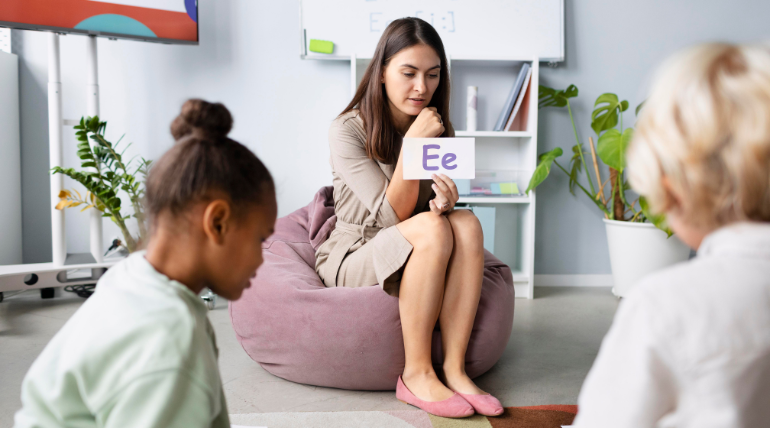
Speech therapy after a stroke is designed around the person's abilities, challenges, and everyday communication goals.
Depending on their needs, therapy may focus on:
- Improving word finding and sentence formation.
- Practicing clearer speech.
- Strengthening understanding of spoken language.
- Rebuilding reading and writing abilities.
- Developing strategies for more effective conversations.
- Using alternative communication methods when needed.
- Building confidence in real-life communication situations.
For someone receiving speech therapy in Abu Dhabi, treatment may begin with simple communication tasks and gradually progress toward more complex activities, such as making a phone call, having a conversation with family, or preparing to return to work.
The goal is not simply to practice words during therapy sessions. It is to make communication more useful and manageable in everyday life.
Relearning the Skills Behind Everyday Independence
Communication affects almost everything we do.
Being able to tell someone what you need, ask a question, make an appointment, understand instructions, or join a family conversation can have a significant impact on independence after a stroke.
For this reason, speech therapy often incorporates practical activities that reflect the person's daily life.
Someone may practice ordering food, explaining an idea, reading a message, writing a short note, or responding during a conversation. These everyday exercises help connect rehabilitation with the situations the person actually wants to return to.
Progress may take time, but even small improvements can make daily life feel more manageable and restore a sense of independence.
Communication May Not Be the Only Challenge
A stroke can affect several abilities at the same time, which is why recovery often requires support from more than one healthcare specialty.
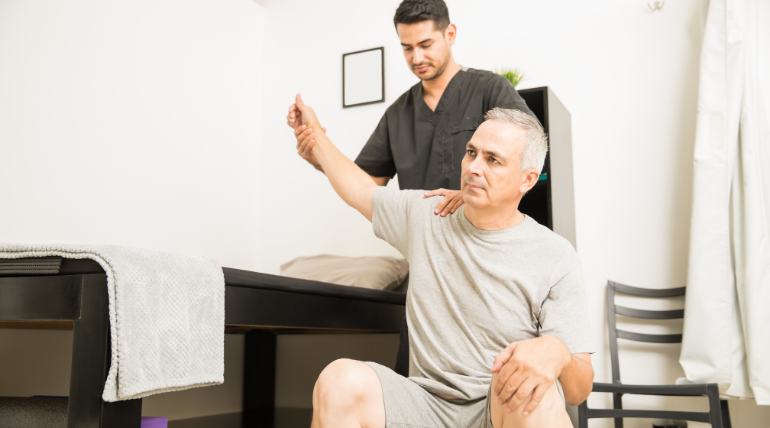
A neurologist in Abu Dhabi may assess and manage the neurological effects of the stroke, while occupational therapy in Abu Dhabi can help the person regain independence in daily activities. Physiotherapy may also support mobility, balance, strength, and physical function.
Speech and language therapists contribute another essential part of this rehabilitation process by addressing communication and, when needed, swallowing difficulties.
When these professionals work together, rehabilitation can address the person's needs as a whole rather than treating each difficulty in isolation.
Speech Therapy Can Also Support Swallowing
Stroke can sometimes affect the muscles and neurological processes involved in swallowing, a condition known as dysphagia.
Signs of swallowing difficulties may include:
- Coughing or choking while eating or drinking.
- Difficulty managing food in the mouth.
- A wet or gurgling voice after swallowing.
- Taking unusually long to finish meals.
- Avoiding certain foods or drinks because they are difficult to swallow.
Swallowing problems should be professionally assessed because they can affect nutrition, hydration, and safety.
A speech and language therapist can evaluate swallowing function and recommend appropriate strategies or exercises based on the individual's needs.
Family Support Is Part of Communication Recovery
Recovery does not happen only during therapy sessions. Family members can play an important role in helping someone communicate more comfortably at home.
Simple strategies can make conversations easier, such as:
- Giving the person enough time to respond.
- Speaking naturally without rushing.
- Reducing background noise and distractions.
- Asking one question at a time.
- Using gestures, writing, or pictures when helpful.
- Avoiding finishing every sentence for the person.
Most importantly, communication difficulties do not mean that a person's intelligence, opinions, or personality have disappeared. Patience and inclusion can help preserve confidence while communication skills are being rebuilt.
Why Consistent Rehabilitation Matters
Stroke recovery is different for every person. Improvements may happen quickly for some and more gradually for others.
The brain has an ability known as neuroplasticity, which allows it to reorganize and develop new connections after injury. Rehabilitation uses repeated, meaningful practice to encourage this process and help people strengthen important skills.
Working with a speech therapist as part of a broader rehabilitation plan can help establish realistic goals, track progress, and adjust treatment as abilities change.
Rebuilding Communication, Confidence, and Connection
Recovering communication after a stroke is about more than finding the right words. It is about being able to express a thought, share a story, make a choice, participate in a conversation, and reconnect with everyday life.
At the American Center for Psychiatry and Neurology, speech and language therapy in Abu Dhabi forms part of a multidisciplinary approach to stroke rehabilitation, working alongside neurology, occupational therapy, and physiotherapy when appropriate.
Every word regained, every conversation made easier, and every everyday skill rebuilt can represent meaningful progress toward greater independence and connection.