




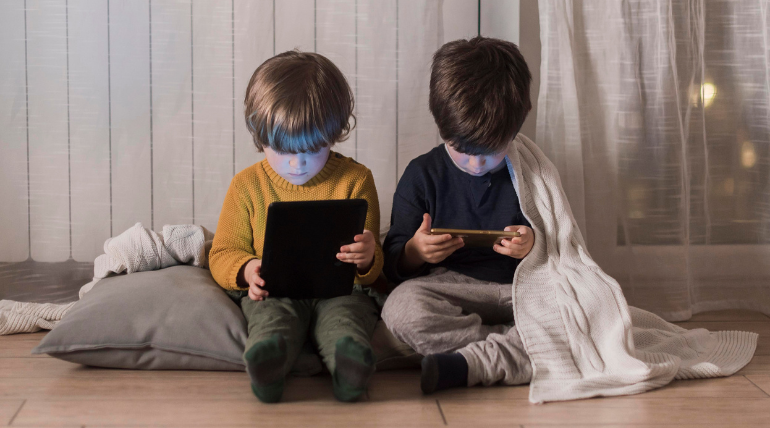
Screens are now an everyday part of children’s lives in the UAE. From online learning and entertainment to social connection and gaming, digital devices are deeply woven into daily routines. While technology can be useful and educational, excessive screen time can negatively affect children’s mental health, emotional development, and behavior when healthy boundaries are not in place.
At the American Center for Psychiatry and Neurology, our child psychology services across Abu Dhabi, Dubai, Sharjah, and Al Ain help families understand the psychological impact of screen use and guide children toward healthier digital habits.
How Excessive Screen Time Affects Children
The impact of screen time depends on a child’s age, personality, content exposure, and duration of use. When screen use becomes excessive, children may experience:
- Reduced attention span and concentration
- Increased irritability and emotional outbursts
- Difficulty managing boredom or frustration
- Emotional reliance on screens for comfort
- Sleep disturbances
- Reduced interest in real-life social interaction
Parents often seek guidance from a child psychologist in Abu Dhabi or child psychologist in Dubai when they notice emotional or behavioral changes linked to digital use.
Screen Time and Attention Problems
Fast-paced digital content provides constant stimulation, which can make it harder for children to focus on slower-paced activities such as reading, homework, or classroom learning. Over time, this may appear as:
- Difficulty sustaining attention
- Restlessness without screens
- Frustration during non-digital tasks
These symptoms can sometimes resemble ADHD, making assessment by a child psychologist in Sharjah or child psychologist in Al Ain important to understand whether attention difficulties are screen-related or part of a broader psychological concern.
Emotional Dependency on Screens
Some children begin to rely on screens as their primary way to cope with emotions such as boredom, anxiety, sadness, or anger. Signs of emotional dependency include:
- Meltdowns when devices are removed
- Inability to self-soothe without a screen
- Withdrawal from family activities
- Preference for virtual interaction over real-life play
When screens replace emotional regulation skills, children may struggle to develop healthy coping mechanisms.
The Impact of Screens on Sleep and Mood
Screen use—especially before bedtime—can interfere with sleep quality due to overstimulation and blue light exposure. Poor sleep may lead to:
- Daytime fatigue
- Mood swings
- Increased anxiety
- Reduced emotional regulation
- Academic difficulties
Sleep disruption is closely linked to children’s mental health, making healthy screen boundaries essential.
When Screen Time Becomes a Psychological Concern
Parents should consider professional support from a mental health clinic Abu Dhabi or mental health clinic Dubai if:
- Screen use causes persistent behavioral changes
- The child becomes increasingly withdrawn or anxious
- Academic performance declines
- Family conflict around screens becomes constant
- Attempts to set limits lead to extreme distress
Early intervention through child psychology helps prevent long-term emotional and behavioral challenges.
How Child Psychology Helps
At the American Center for Psychiatry and Neurology, child psychology services focus on:
- Assessing the emotional and behavioral impact of screen use
- Supporting attention, emotional regulation, and coping skills
- Helping children reduce emotional reliance on screens
- Guiding parents in setting healthy digital boundaries
- Offering age-appropriate alternatives to screen-based soothing
- Collaborating with schools when needed
Families searching for psychology clinics in Dubai, a mental health center Dubai, or a trusted psychologist in Abu Dhabi benefit from structured, child-centered care.
Healthy Digital Boundaries for Children
Parents can support healthier screen habits by:
- Setting clear, consistent limits on screen time
- Avoiding screens before bedtime
- Encouraging physical play and creative activities
- Prioritizing family time without devices
- Modeling balanced screen use as adults
- Talking openly with children about emotions instead of distracting them with screens
Balance, Not Elimination
Screens are not inherently harmful—but unregulated use can affect emotional and psychological development. The goal is balance: using technology in ways that support learning without replacing emotional connection and real-world experiences.
Whether you are looking for a child psychologist in Abu Dhabi, best psychologist in Dubai, psychologist in Sharjah, or psychologist in Al Ain, the American Center for Psychiatry and Neurology offers comprehensive child psychology services across the UAE.
Supporting Children’s Mental Health in a Digital World
At the American Center for Psychiatry and Neurology, our teams across Abu Dhabi, Dubai, Sharjah, and Al Ain help families navigate the digital challenges of modern childhood—supporting healthier screen habits, stronger emotional skills, and better mental wellbeing for children across the UAE.